Technology
In the digital age, user experience (UX) design has become a critical factor in the success of a website. User-centric design focuses on creating seamless and enjoyable experiences for visitors, ultimately leading to increased engagement and higher conversion rates. In this article, we will explore the importance of UX design in enhancing website engagement and conversion, and delve into key strategies and best practices to create a positive user experience.
Understanding User Experience (UX) Design:
User experience design encompasses the process of designing websites that are intuitive, accessible, and delightful for users. It involves considering every interaction a user has with a website and optimizing those interactions to meet their needs and expectations. A well-designed user experience takes into account usability, accessibility, visual appeal, and overall satisfaction.
The Impact of UX Design on Website Engagement:
- Intuitive Navigation: Clear and intuitive navigation is essential for guiding users through a website. Well-designed menus, logical page hierarchy, and prominent calls-to-action make it easy for visitors to find the information they need. Intuitive navigation reduces frustration and encourages users to explore further, leading to increased engagement.
- Visual Appeal: Aesthetically pleasing design elements, including color schemes, typography, and imagery, contribute to a positive user experience. Visually appealing websites create a lasting impression, captivate users’ attention, and encourage them to stay longer on the site. Visual appeal enhances engagement and makes users more likely to explore and interact with the content.
- Seamless User Flow: A well-structured user flow ensures that users can accomplish their goals efficiently and without confusion. UX designers carefully map out the user journey, identifying potential pain points and simplifying complex processes. By streamlining the user flow, websites can reduce friction, increase engagement, and improve conversion rates.
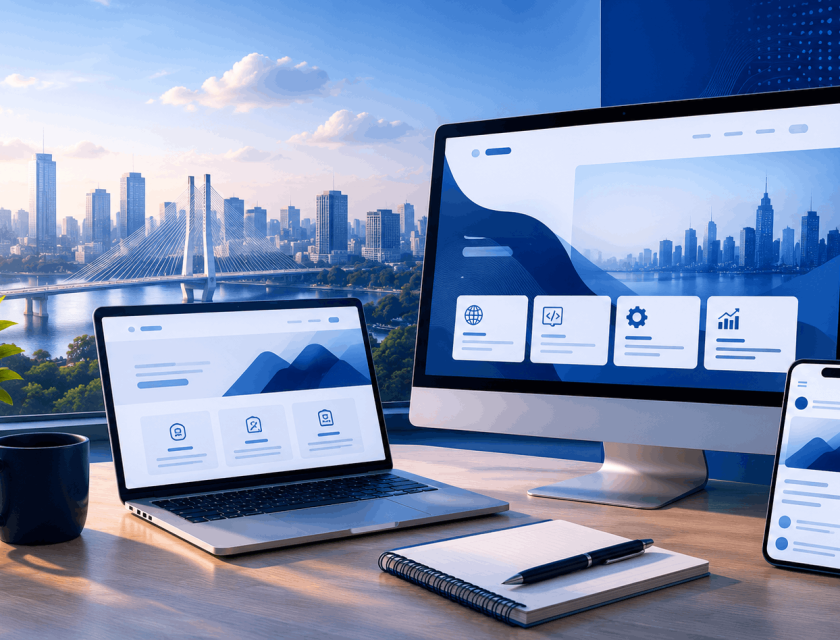
- Responsive Design: With the increasing use of mobile devices, responsive design is crucial for providing a seamless user experience across different screen sizes and devices. Mobile-friendly websites not only enhance engagement for mobile users but also contribute to improved search engine rankings, as search engines prioritize mobile-friendly sites.
Enhancing Conversion Rates with UX Design:
- Clear Calls-to-Action (CTAs): Strategic placement of clear and visually prominent CTAs is vital for guiding users towards desired actions. Well-designed CTAs prompt users to take specific steps, such as making a purchase, signing up for a newsletter, or requesting more information. UX designers optimize CTAs to be visually appealing, compelling, and easily distinguishable from other page elements.
- Streamlined Forms: Lengthy and complicated forms can deter users from completing desired actions. UX designers simplify forms by reducing the number of fields, providing clear instructions, and implementing inline validation. Streamlined forms improve the user experience, minimize friction, and increase conversion rates.
- Trust and Credibility: User experience design also influences the trust and credibility of a website. Consistent branding, testimonials, security badges, and clear contact information all contribute to establishing trust with visitors. When users feel confident in a website’s credibility, they are more likely to engage with its content and convert.
- Performance Optimization: Website performance greatly impacts user experience and conversion rates. Slow loading speeds and laggy interactions can frustrate users and lead to abandonment. UX designers work alongside developers to optimize website performance by optimizing code, compressing images, leveraging caching techniques, and utilizing content delivery networks (CDNs). A fast and responsive website enhances engagement and encourages users to complete desired actions.
Conclusion:
User experience (UX) design plays a crucial role in enhancing website engagement and conversion rates. By prioritizing intuitive navigation, visual appeal, streamlined user flow, and responsive design, businesses can create delightful user experiences that captivate visitors and encourage them to take desired actions. By optimizing calls-to-action, streamlining forms, building trust and credibility, and focusing on performance optimization, businesses can further improve their conversion rates. Investing in UX design ultimately leads to satisfied users, increased engagement, and higher conversion rates, setting the foundation for a successful and impactful online presence.